This one-day symposium brings together scholars, educators, leaders, students and practitioners to examine the evolving relationship between students and universities and its impact on the student experience and wellbeing. This year's Symposium explores key questions such as:
- How can universities address growing student disengagement and foster meaningful engagement across diverse student populations?
- What are the most pressing wellbeing challenges affecting students today, and how should institutions respond?
- How can universities rebuild the social and relational aspects of university life in an increasingly digital and remote learning environment?
- How can universities strike the right balance between supporting student wellbeing and equipping them to engage with discomfort, face challenges and build resilience?
- How should universities rethink digital engagement in an era of AI to better support students?
Symposium details
| Date & time: | Friday 24 October, 9.00am - 4.45pm (AEDT) followed by a networking event |
|---|---|
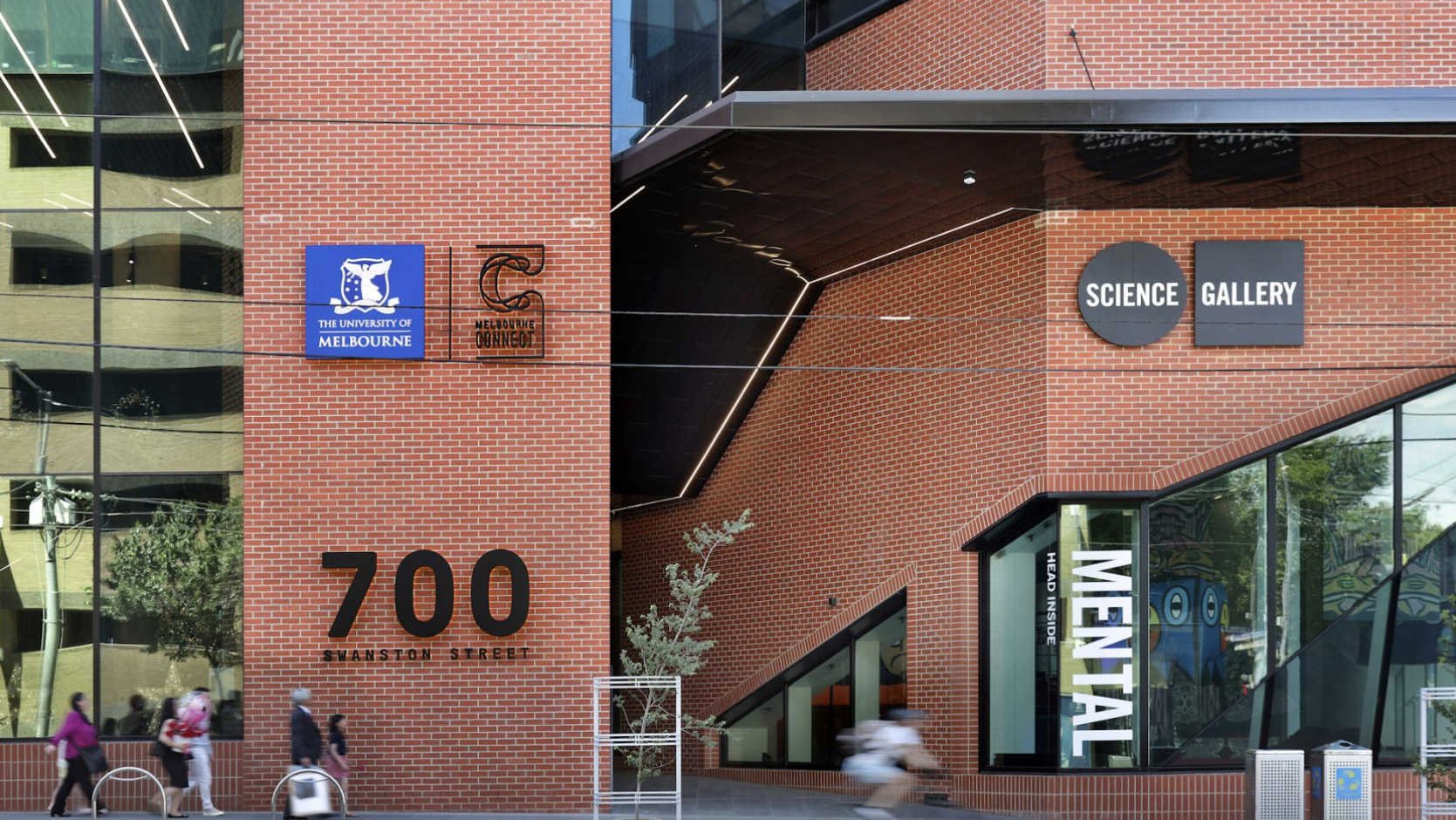
| Venue: | Melbourne Connect 700 Swanston St, Carlton VIC 3053 |
| Cost: | Standard rate: $355 Reduced rate (Presenters and Students): $275 *All prices include 10% Australian Goods and Services Tax (GST) |
| Registration: | Registration is closed |
This Symposium is part of an Australian Research Council Discovery Project on Improving the Mental health of Young Adults in Australia's Universities. The project has established a Uni Student Wellbeing Research Hub to foster cross-national and international collaboration, harness diverse inter-disciplinary approaches, and support mixed-methods analyses of young adult wellbeing. More information about the Research Hub is available here.
The Symposium Organising Committee
Professor Chi Baik, Dr Tracii Ryan, Dr Dina Uzhegova, Sheirine Gunawan
| 8.45-9.15am | Registration Superfloor (Mezzanine), Melbourne Connect (700 Swanston St, Carlton) | |||||||
|---|---|---|---|---|---|---|---|---|
| 9.15-9.30am | Welcome to Country Annette Xiberras, Wurundjeri Elder Welcome to Symposium Professor Chi Baik, Centre for the Study of Higher Education, The University of Melbourne Opening remarks Professor Jane Gunn AO, Interim Provost, The University of Melbourne | |||||||
| 9.30-10.30am | Keynote speaker: Motivation and Wellness in University Learners: Research and Perspectives from Self-Determination Theory Professor Richard M. Ryan, Professor at the Institute for Positive Psychology & Education (ACU) and co-developer of Self-Determination Theory | |||||||
| 10.30-11.00am | Morning tea break | |||||||
| 11.00am-12.30pm | Panel session: Ashlyn Horton, National President, National Union of Students (NUS)What would it take to radically improve students’ experiences and outcomes in Australian universities? Jillian Craven, Acting Senior Assistant Ombudsman, National Student Ombudsman Professor Merlin Crossley, Deputy Vice-Chancellor (Academic Quality), University of New South Wales Associate Professor Sally Baker, CEO of Refugee Education Australia and Associate Professor of Migration and Education Moderator: Professor Gregor Kennedy, Deputy Vice-Chancellor Education (DVCE), University of Melbourne | |||||||
| 12.30-1.30pm | Lunch break | |||||||
| Concurrent full paper sessions by topic | ||||||||
Forum room #1 Understanding student mental health and wellbeing Chair: Dr Tracii Ryan | Forum room #2 Belonging and connection Chair: Dr Angus Gilmore | Forum room #3 Empirical investigations of student experiences and wellbeing Chair: Dr Claudia Rivera Munoz | Room M01+M02 Adaptation and engagement of diverse students Chair: Dr Samantha Marangell | |||||
| 1.30-2.00pm | Dr Asha Thomas, University of Melbourne | Belonging at Scale: A history of RMIT’s Belonging Project A/Prof Rachel Wilson & Dr Lucy Morieson, RMIT University | Dr Samuel McKay, University of Melbourne | Assist/Prof Kohei Tanaka, Hokkaido University | ||||
| 2.00-2.30pm | The hope factor: Unlocking student resilience in higher education Dr Rachel Colla, University of Melbourne | Modelling sense of belonging in higher education Dr Sarah Walker, Australian National University | Distinguishing student profiles associated with success in secondary-to-tertiary transitions Felicity Moser, Dr Rowena Long & Prof Doune Macdonald, University of Queensland | Agency in the age of GenAI: How non-traditional students engage with digital learning Dr Nicole Crawford & A/Prof Joanna Tai, Deakin University | ||||
| 2.30-3.00pm | Embedding student voice in a university wide wellbeing framework Melinda Green & Rachael Tuck, Charles Sturt University | Students as mentors and staff as learners: The impact of students mentoring staff Sam Geddes, Marnie Heath, Dr Neetu George, Shannon Wise & Sue Sharpe, Deakin University | Sarah Taylor, University of Melbourne | The perceived price of participation: How do students cover the cost to engage? Daniel Taylor-Griffiths, University of Queensland | ||||
| 3.00-3.20pm | Afternoon tea break | |||||||
| Concurrent lightning sessions themes and roundtable discussions | ||||||||
Forum room #1 Lightning session #1 | Forum room #2 Lightning session #2 | Forum room #3 Roundtable discussion 1 | Room M01+M02 Roundtable discussion #2 | |||||
| 3.20-3.45pm | Motivation, aspiration, and engagement | Insights into student mental health and wellbeing | Supporting academics with inclusive and equitable curricula, teaching and learning A/Prof Sally Baker, Refugee Education Australia and Dr Claudia Rivera Munoz, University of Melbourne | Kindness in action: Reimagining pedagogies for student wellbeing Dr Gabi Nudelman and Pamela Taylor-Barnett, University of New South Wales | ||||
| 3.50-4.15pm | Belonging, connection and inclusivity | Student support initiatives | ||||||
| 4.20-4.45pm | Postgraduate student experiences | Capability building | ||||||
| 4.45-6.00pm | Networking event | |||||||
Enquiries

Keynote speaker
Professor Richard M. Ryan
Richard Ryan, Ph.D., is a Professor at the Institute for Positive Psychology & Education at the Australian Catholic University, North Sydney, where he has been acknowledged by The Australian as one of Australia’s top researchers listing him on the Lifetime Achievers Leaderboard. He is also a Distinguished Professor in the College of Education at Ewha Womans University, in South Korea, and Visiting Professor at Imperial College London. A clinical psychologist and co-developer of Self-Determination Theory (SDT), Ryan is a leading expert on motivation and vitality — how we cultivate high-quality motivation and engagement, foster positive change, and enhance vitality and wellness. Ryan lectures frequently on the factors that promote motivation and healthy functioning in areas as work and organizations, education, health, sport and exercise, and technology use.
Reflective of Ryan’s influence internationally and across disciplines, he has been recognized as one of the eminent psychologists of the modern era and is listed among the ‘World’s Top 20 Scientists’, across all fields. He is also the most cited psychological scientist today having authored over 500 papers and books in the areas of human motivation and well-being, Ryan has also been honored with multiple lifetime achievement awards for his work on motivation, personal meaning, and self and identity, and has received an honorary Doctorate from the University of Thessaly, and honorary professorships at the University of Bath, UK and Northeast Normal University – Changchun, China.
Speakers and moderators

Jillian Craven
Drawing on her extensive knowledge and experience in strategic policy development and legislation, Jill Craven has dedicated her career to improving public administration in Australia. Since joining the Office of the Commonwealth Ombudsman, Jill has been instrumental in Australian Government policy, law reform and Budget processes, federal parliamentary processes, and designing and delivering complex national functions including the NSO. Jill has been a critical part of the NSO since its inception. Working closely with the Department of Education and Attorney-General’s Department she led the design of the function and the Office’s engagement in the development of NSO legislation. Jill led extensive national stakeholder engagement to implement the NSO, securing letters of exchange with every state and territory Ombudsman. Jill also forged strategic national partnerships with more than 20 state and territory human rights, equal opportunity and integrity bodies. Jill’s skill navigating complex inter-jurisdictional environments positioned the NSO nationally as the primary escalated complaint handling service for higher education students.

Professor Merlin Crossley
Merlin Crossley is Deputy Vice-Chancellor (Academic Quality) at UNSW, a Professor of Molecular Biology, and an enthusiastic teacher and science communicator. He has worked or studied at the Universities of Melbourne, Oxford, Harvard, and Sydney. He has been recognised by numerous awards, including a Rhodes Scholarship and the Australian Academy of Science's Gottschalk Medal. He was instrumental in establishing the Education Focussed academic pathway and the Scientia Education Academy at UNSW. He is also on the Board of The Conversation, and is an Honorary Associate of the Australian Museum, who named a new species of squid after him – Iridoteuthis merlini, Merlin’s Bobtail Squid.

Ashlyn Horton
Ashlyn Horton is the 2025 President of the National Union of Students (NUS). Originally from Nambour, Queensland, Ashlyn is a 4th year student at the Australian National University (ANU), studying maths and international relations. Ashlyn has been involved in student unionism and activism and is committed to fighting for a tertiary education system designed for students, not driven by profit.

Dr Sally Baker
Dr Sally Baker is Founder and CEO of Refugee Education Australia and an adjunct Associate Professor of Migration and Education. Sally's work centres on policy and practice related to equity in higher education, particularly with students with forced migration backgrounds. Sally is co-leading the new Refugee Student Settlement Pathway to Australia.
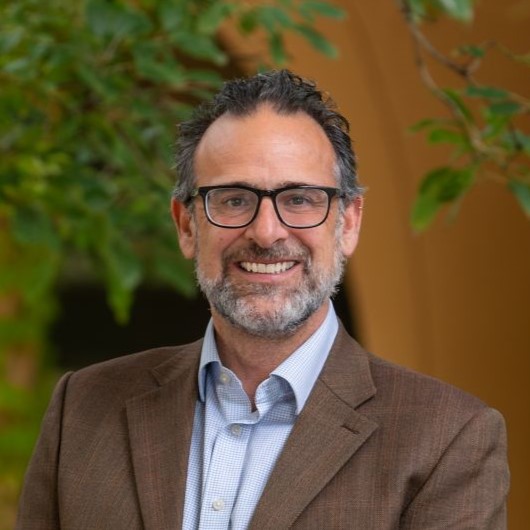
Professor Gregor Kennedy
The Deputy Vice-Chancellor Education (DVCE) provides strategic leadership in the development and delivery of the University's undergraduate and postgraduate programs, driving excellence in education and the student experience across teaching, learning and assessment, teaching and learning infrastructure and academic quality. Prior to taking on the position of DVCE, Professor Kennedy has undertaken a range of senior leadership roles including Pro Vice-Chancellor (Teaching and Learning), Pro Vice-Chancellor (Educational Innovation), and Director of eLearning.
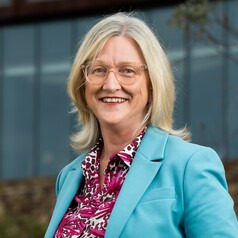
Professor Jane Gunn AO
Professor Jane Gunn AO is a distinguished academic general practitioner and inaugural Chair of Primary Care Research at The University of Melbourne where she is also Dean of the Faculty of Medicine, Dentistry and Health Sciences. Her leadership has raised the profile and rigour of primary care research in Australia.
Proposal submissions for the 2025 National Symposium on the Student Experience and Wellbeing in Higher Education are now closed.
The Organising Committee for the National Symposium on the Student Experience and Wellbeing in Higher Education invites you to submit an abstract for presentation or proposal for roundtable discussions on the following broad themes:
- Student engagement and belonging
- Student mental health and wellbeing
- The experiences of diverse and underrepresented student groups
- Rebuilding social connection and community
- Digital engagement and the student experience
- Equipping students to navigate discomfort, and build resilience
- Outcomes of higher education for students
Presentation formats
We are accepting submissions for three in-person presentation formats:
| Format | Duration | Description |
|---|---|---|
Paper Presentation | 25 minutes (please allow 5-10-minutes for Q+A) | In-depth presentation on research findings, good practice, or whole of school / university policies. |
Lightning Presentation | 5 minutes (presentation only) | Concise showcase of preliminary research or good practices. A maximum of six slides per presentation. Multiple presenters will be scheduled consecutively in a concurrent session. |
Roundtable Discussion | 60 minutes | Moderated conversations focused on a specific topic, designed to encourage interaction and knowledge sharing. While delegates are invited to propose both the topic and structure, sessions should prioritise active participation, dialogue and exchange of ideas. |
Submission guidelines
For a paper presentation, your abstract should contain up to 300 words and be structured to include:
- Introduction or rationale
- Objectives of project and/or research
- Methods or approach
- Findings / outcomes
- Conclusion – implications
For lightning presentations showcasing examples of good practice / policy or preliminary research findings, your abstract should contain up to 300 words and be structured to include:
- Title of presentation
- Objectives of initiative / program / project
- Key description of your key idea / approach / finding
- Implications – why it matters and how it could benefit others
For roundtable discussions, please provide a proposal of up to 700 words outlining the session. This should include:
- Topic for discussion and rationale for relevance / importance of the topic
- Aim/s for the session
- Proposed format and outline for the session (including how audience participation will be facilitated)
- Intended outcomes/benefits for participants
Review criteria
All abstracts will be reviewed against the following criteria:
- Relevance to the symposium topics
- Adequate description of the research, approach, practice
- Appropriate evidence of outcomes/effectiveness (if relevant)
- Contribution to scholarship and/or practice
Enquiries
If you have any queries about the abstract submission process, please contact the Symposium Organising Committee.
Symposium venue
Superfloor (mezzanine level), Melbourne Connect
700 Swanston St, Carlton VIC 3053
Enter Melbourne Connect at ground level through the revolving glass doors at 700 Swanston Street. To reach the Superfloor, take the stairs or use the lifts on the right side of the foyer (press M on the lift call button).
At the top of the stairs or upon exiting the lifts, the venue is immediately to the right of the stairs (see map below).
Main entrance on Swanston Street.